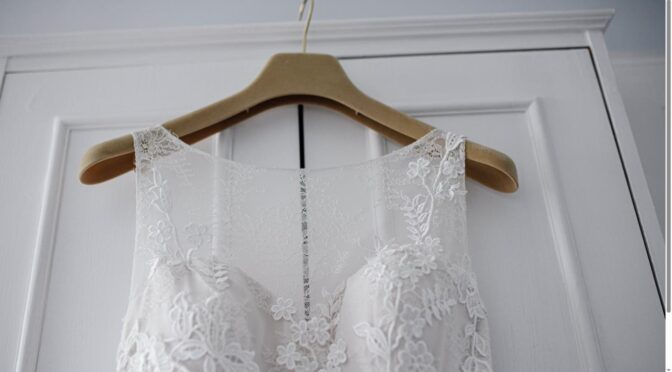
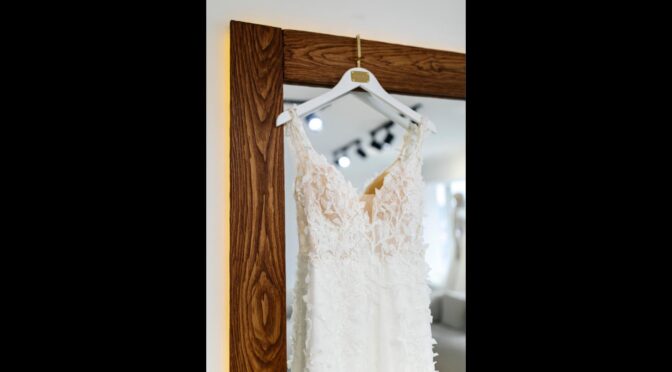
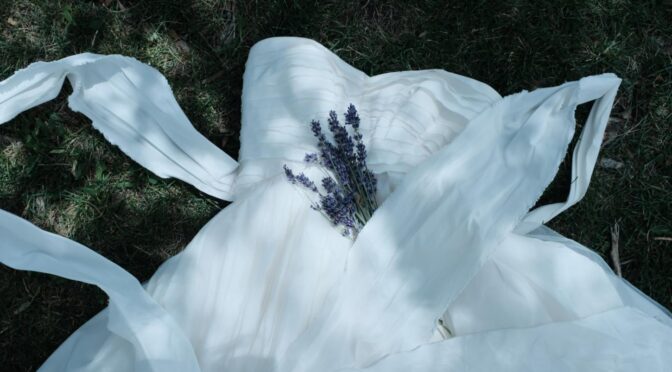
The wedding is over, the dress has been worn, photographed, and danced in, and now it’s hanging quietly in a garment bag while you figure out what to do with it. What you do in the next few weeks matters more than most brides realize. Stains that are invisible on the wedding day can oxidize and turn yellow-brown over months if left untreated, and the fabric itself is far more fragile in storage than it ever was on the big day.
Here’s how to preserve your gown properly, whether you’re planning to pass it down, sell it, or simply keep it as a keepsake for decades to come.
Walk into any bridal boutique and you’ll hear the same handful of fabric names again and again: satin, lace, tulle, chiffon, organza. They’re often used almost interchangeably in casual conversation, yet each one behaves completely differently on the body, photographs differently, and suits a different kind of wedding. Knowing the difference before your first fitting can save hours of trying on dresses that were never going to work for your venue or your figure.
This guide breaks down the fabrics you’re most likely to encounter while dress shopping, what makes each one distinct, and how to match fabric choice to season, silhouette, and budget.
A wedding dress is traditionally worn once, yet it often takes significant fabric, labor, and shipping to produce. That mismatch has pushed a growing number of brides to look for sustainable options that still feel special, without the environmental cost of a garment built for a single day.
This guide covers what actually makes a wedding dress sustainable, which fabrics and sourcing methods to look for, and how renting, vintage, and secondhand options fit into the picture.
Why Sustainability Is Becoming Part of Wedding Dress Shopping
Wedding dresses sit at an unusual intersection: they are typically worn for a matter of hours, yet built to a standard meant to last generations. As awareness of textile waste and fast fashion has grown, more brides are asking bridal boutiques and designers about where fabric comes from and what happens to unsold sample gowns, not just how a dress looks in photos.
What Makes a Wedding Dress Sustainable
Fabric sourcing: Organic, recycled, or responsibly harvested materials rather than conventional synthetic fabrics produced with heavy water and chemical use.
Production process: Smaller-batch or made-to-order manufacturing that reduces overproduction and unsold inventory.
Longevity: Construction quality that allows the dress to be altered, preserved, resold, or repurposed rather than discarded.
End-of-life plan: A realistic path for the dress after the wedding, whether that is resale, rental return, or repurposing into another garment.
Eco-Friendly Fabrics to Look For
Organic and Peace Silk
Organic silk is produced without synthetic pesticides on the mulberry trees silkworms feed on, while peace silk (also called ahimsa silk) allows the moth to emerge from its cocoon before the fiber is harvested, avoiding the conventional method of boiling cocoons with the silkworm inside.
Recycled Lace and Deadstock Fabric
Deadstock fabric refers to leftover material from other fashion production runs that would otherwise go unused. Many small bridal designers now build gowns partly or entirely from deadstock lace and silk, which reduces demand for newly manufactured fabric.
Tencel and Lyocell
These fibers are made from sustainably harvested wood pulp using a closed-loop process that recycles most of the water and solvents involved. The resulting fabric drapes similarly to silk, making it a popular option for sheath and slip-style sustainable gowns.
Organic Cotton
Grown without synthetic pesticides or fertilizers, organic cotton is increasingly used for lace overlays, linings, and simpler cotton-based wedding dresses, particularly for casual or destination weddings.
Renting, Vintage, and Secondhand Options
Option
Environmental Impact
Best For
New Sustainable Gown
Lower impact than conventional new, but still uses new resources
Brides wanting a custom, made-to-fit dress
Rental
Very low, since one dress serves many brides
Brides comfortable not keeping the dress long-term
Vintage or Secondhand
Lowest impact, since no new production is involved
Brides open to alterations and unique, one-of-a-kind pieces
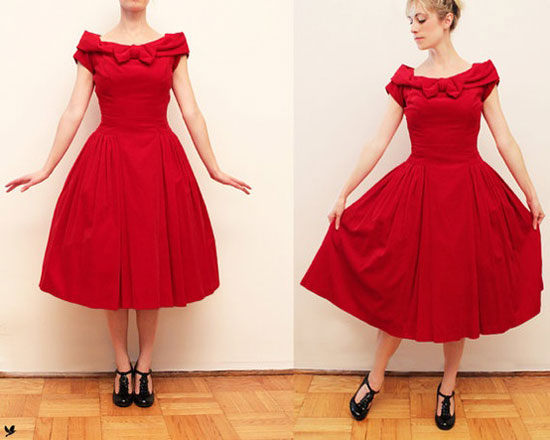
Vintage and secondhand shopping pairs particularly well with an interest in wedding dress silhouettes from earlier decades, since many vintage gowns feature construction techniques that are harder to find in current mass-market designs.
Questions to Ask a Sustainable Bridal Designer or Boutique
Where is the fabric sourced from, and is it certified organic, recycled, or deadstock?
Is the dress made to order, or produced in advance in standard sizes?
What alteration and preservation services are offered after the wedding?
Does the boutique offer a buy-back, resale, or rental program?
Caring for and Repurposing Your Dress After the Wedding
Proper cleaning and storage in a breathable garment bag, away from direct sunlight and humidity, meaningfully extends how long a dress can be preserved, resold, or handed down. Many brides also choose to have a portion of the fabric repurposed into a christening gown, a keepsake pillow, or a framed textile piece, which keeps the material in use well beyond the wedding day itself. Brides who are also thinking carefully about choosing the right fit for their body type often find that a well-constructed sustainable gown holds its shape better through alterations than lower-quality fast-fashion alternatives.
Common Misconceptions About Eco-Friendly Bridal Fashion
“Sustainable means plain or unflattering.” Sustainable gowns now span the same range of silhouettes and styles as conventional bridal fashion, from minimalist slip dresses to fully beaded ball gowns.
“It’s always significantly more expensive.” Cost varies widely; rental and secondhand options are often less expensive than new conventional gowns, while made-to-order sustainable pieces can be comparable to standard designer pricing.
“Secondhand means outdated.” Many recently sold gowns entering the resale market are only a year or two old and reflect current silhouettes and trends.
Frequently Asked Questions
Is renting a wedding dress considered sustainable?
Yes, generally. Rental spreads the environmental cost of a single dress across many wearers, which significantly reduces the per-wear impact compared to a dress worn once and stored indefinitely.
Are sustainable wedding dresses more expensive than conventional ones?
Not necessarily. Pricing depends heavily on the designer, fabric, and construction method rather than sustainability alone, and secondhand or rental options are often less expensive than buying new.
Can a vintage wedding dress be altered to fit modern tastes?
Yes. A skilled tailor can often update necklines, add modern linings, or adjust silhouettes on a vintage gown while preserving the original lace or embroidery details.
What should I do with my dress if I don’t plan to keep it?
Reputable resale platforms, bridal consignment shops, and rental services all offer ways to pass a dress on to another bride rather than letting it sit unused in storage.
Do sustainable fabrics affect how a dress feels to wear?
Not negatively. Fabrics like Tencel and organic silk are generally praised for being breathable and comfortable, and in some cases feel better against the skin than synthetic alternatives.
Summary
Sustainable wedding dresses are no longer a small niche: eco-friendly fabrics, made-to-order production, rental services, and a growing secondhand market all make it possible to find a beautiful gown without the waste traditionally associated with a one-day garment. Whether that means choosing organic silk, renting for the day, or restyling a vintage find, sustainability and style are no longer competing priorities in bridal fashion.
Trying on dresses without a plan can turn wedding dress shopping into a frustrating, hours-long guessing game. Once you understand your body shape and what tends to flatter it, appointments become far more focused: you can walk in already knowing which necklines, fabrics, and cuts to reach for first.
This guide breaks down how to choose a wedding dress based on body type, so you can shortlist styles with more confidence before your first fitting.
Start With How You Want to Feel, Not Just How You Look
Before getting into body shapes, it helps to decide how you want to feel on the day: fitted and sleek, soft and romantic, or dramatic and voluminous. Body type guidance narrows down what will likely look best on you, but the dress that makes you feel most like yourself is still the right starting point.
Understand Your Body Shape First
Hourglass: Bust and hips are roughly balanced with a defined waist.
Pear: Hips are noticeably fuller than the bust and shoulders.
Apple: Weight sits more through the midsection, with a less defined waist.
Rectangle: Bust, waist, and hips are similar in width, with less curve overall.
Inverted triangle: Shoulders and bust are broader than the hips.
Most people are a blend of these categories rather than a perfect match to one, which is completely normal and not something a good dress needs to “fix.”
Best Wedding Dress Styles by Body Type
Body Type
Necklines to Try
Silhouettes to Try
Hourglass
Sweetheart, V-neck
Mermaid, Trumpet, Fitted A-line
Pear
Off-the-shoulder, Boat neck
A-line, Ball Gown
Apple
V-neck, Sweetheart
Empire Waist, A-line
Rectangle
Sweetheart, Illusion
Mermaid, Fit-and-Flare
Inverted Triangle
V-neck, Halter with fuller skirt
A-line, Ball Gown
For a deeper look at each silhouette and why it works the way it does, see this guide to wedding dress silhouettes, which pairs well with the body type guidance above.
Fabric Choices That Flatter Different Body Types
Structured Fabrics
Satin, mikado, and heavier taffeta hold their shape and add gentle structure, which works well for hourglass and pear shapes that want definition at the waist without relying on excessive boning.
Flowing Fabrics
Chiffon and soft crepe drape close to the body without clinging, making them a forgiving option for apple and rectangle shapes that want gentle movement rather than a rigid silhouette.
Stretch Fabrics
Crepe blends with a small amount of stretch are increasingly common in fitted mermaid and sheath styles, and they make a close fit considerably more comfortable for sitting, dancing, and standing through a long reception.
Necklines and What They Do for Your Shape
A sweetheart neckline softens broader shoulders and adds shape through the bust, while a V-neck elongates the torso and works well for both fuller busts and narrower frames. Off-the-shoulder and boat necklines widen the visual line across the collarbone, which balances out fuller hips nicely, and a halter neckline draws the eye upward, which flatters an inverted triangle shape when paired with a fuller skirt below.
Practical Tips for Dress Shopping Appointments
Wear or bring nude, seamless underwear similar to what you plan to wear on the day.
Bring the same heel height you expect to wear, or something close to it.
Try on at least one dress outside your initial preference, since fit in person is often surprising.
Take photos or a short video in natural light after each dress, since memory alone is unreliable after several fittings.
Ask about the realistic alteration timeline before falling in love with a dress that needs major changes.
Common Fitting Mistakes to Avoid
Choosing a dress a size smaller with the intention of losing weight before the wedding.
Ignoring how a dress feels when sitting down, not just standing in front of a mirror.
Overlooking bra and undergarment options that could change how a bodice actually sits.
Skipping a second fitting closer to the wedding date, when body shape can shift slightly.
Frequently Asked Questions
Can alterations change a dress’s silhouette significantly?
Alterations can take in a waist, adjust a hemline, or add straps, but they cannot realistically convert one silhouette into a completely different one, such as turning a ball gown into a sheath.
Should I choose a dress based on current trends or my body type?
Body type should generally take priority. A trending style that does not suit your shape or comfort preferences is far less likely to feel right than a slightly more classic option chosen for fit.
How many dresses should I try on before deciding?
There is no fixed number, but trying on somewhere between five and ten dresses across a few different silhouettes usually gives enough range to notice a clear favorite without becoming overwhelming.
Is it normal to feel emotional or overwhelmed while dress shopping?
Yes, this is extremely common. Bringing one or two trusted people, rather than a large group, generally makes the experience calmer and the final decision easier.
Do body type guidelines apply to plus-size brides too?
Yes. The same shape-based guidance applies regardless of size, and most bridal retailers now carry an extended size range specifically to support this.
Summary
Choosing a wedding dress becomes far less overwhelming once you understand your body shape, which necklines and silhouettes tend to flatter it, and which fabrics support the fit you want. Use body type as a starting point rather than a strict rule, try on a reasonable range of styles, and prioritize how a dress feels to move and sit in, not just how it looks in a single mirror moment.
Choosing a wedding dress usually starts with silhouette, not fabric or lace pattern. The silhouette is the overall shape the dress creates, and it affects everything else: how the gown photographs, how it moves when you walk, and how comfortable you feel standing in it for an entire day. Once you know which shape flatters your figure and suits your venue, the rest of the search narrows dramatically.
This guide walks through the major wedding dress silhouettes, explains which body types and venues each one suits best, and gives you a practical way to shortlist styles before you ever set foot in a bridal boutique.
Why Silhouette Is the First Decision to Make
Bridal boutiques often ask brides to describe fabric preferences or neckline style first, but stylists generally agree silhouette should come first. It is the foundation everything else is built on, and changing it later usually means starting the search over. Brides who already know their preferred silhouette from browsing current wedding dress trends tend to have a much shorter and less overwhelming shopping experience.
The Main Wedding Dress Silhouettes
Ball Gown
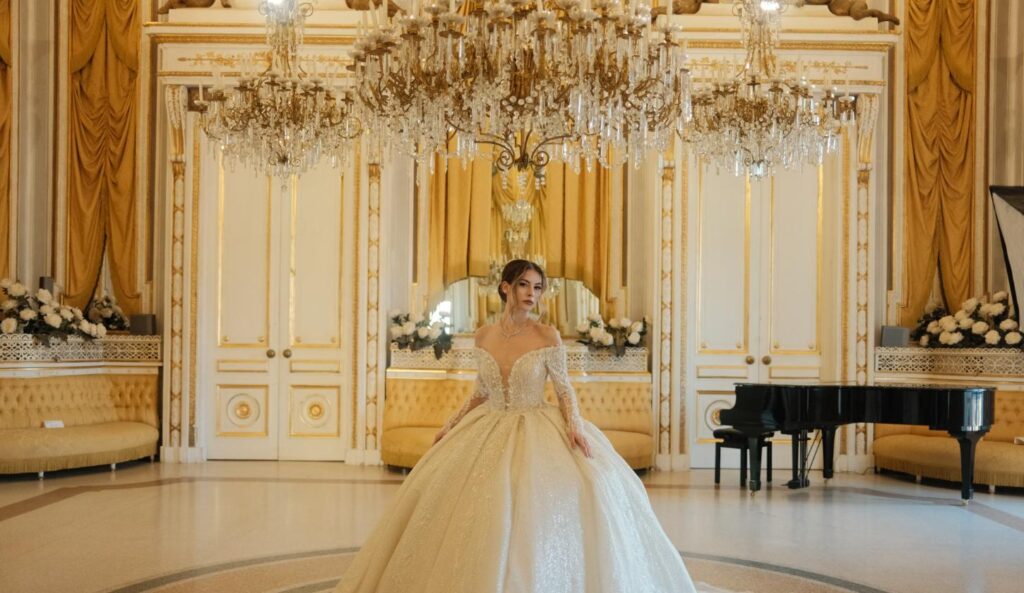
The ball gown is the classic fairy-tale shape: a fitted bodice paired with a dramatically full skirt that starts at the natural waist. It creates the most defined waistline of any silhouette and works well for formal, black-tie weddings. The tradeoff is practicality: the volume can be heavy, makes sitting down and dancing more difficult, and generally requires a large venue to avoid feeling cramped.
A-Line
A-line dresses are fitted through the bodice and gradually flare out from the waist or just below it, forming a shape similar to the letter A. This is consistently the most popular silhouette because it flatters nearly every body type, moves comfortably, and works for both formal and casual venues.
Mermaid and Trumpet
Mermaid gowns hug the body closely from the bust to the knee or mid-thigh before flaring out dramatically, while trumpet gowns have a gentler, more gradual flare starting lower on the leg. Both silhouettes highlight curves and create a dramatic silhouette in photos, but they require confidence with a fitted fit and are less forgiving of alterations later in the planning process.
Sheath (or Column)
A sheath dress follows the body’s natural line from top to bottom without flaring at all. It is lightweight, minimalist, and especially popular for destination weddings, beach ceremonies, and brides who prefer a modern, understated look over a traditional one.
Empire Waist
The empire waist sits just below the bust rather than at the natural waistline, with fabric flowing loosely from there to the hem. This silhouette is soft, romantic, and notably comfortable, making it a common choice for brides who are pregnant or who simply prefer a relaxed fit without sacrificing an elegant line.
Matching a Silhouette to Your Body Type
There are no strict rules in bridal fashion, and confidence in a dress matters more than any guideline. That said, these general pairings are a useful starting point when narrowing down options.
Body Type
Silhouettes Worth Trying First
Pear (fuller hips)
A-line, Ball Gown
Hourglass
Mermaid, Trumpet, Sheath
Apple (fuller midsection)
Empire Waist, A-line
Petite frame
Sheath, Slim A-line
Tall or long torso
Ball Gown, Mermaid
Silhouette and Venue: What Works Where
Beach or destination wedding: Sheath and A-line silhouettes in lightweight fabrics handle heat, sand, and wind far better than heavily structured gowns.
Ballroom or formal hotel venue: Ball gowns and structured mermaid styles suit the scale of a large, formal room.
Garden or outdoor ceremony: A-line and empire waist dresses move naturally over grass and uneven ground.
Courthouse or intimate elopement: Sheath dresses feel appropriately understated without looking underdressed.
Fabric and Silhouette: Why They’re Connected
Silhouette and fabric work together, not separately. A ball gown built from tulle behaves very differently from one built from heavier satin, and a sheath cut in a stretch crepe will move and photograph differently than the same cut in a stiffer material. When you find a silhouette you like, ask to see it in two or three different fabrics before deciding, since the fabric can noticeably change how formal or casual the same basic shape feels. Brides comparing structured versus flowing options often look at elegant wedding dress styles side by side to see this contrast in person.
Common Mistakes When Choosing a Silhouette
Deciding on a silhouette from photos alone without trying it on, since fit changes everything about how a shape reads on an individual body.
Choosing a dress that suits the venue on paper but ignoring how it will feel to wear for eight or more hours, including sitting, dancing, and walking.
Not accounting for undergarments and shapewear during fittings, which can shift how a silhouette actually sits.
Overlooking the ceremony-to-reception transition; some brides choose a convertible gown that removes an overskirt to switch from ball gown to sheath partway through the day.
Frequently Asked Questions
What is the most popular wedding dress silhouette?
A-line remains the most consistently popular choice because it flatters a wide range of body types, is comfortable to wear all day, and photographs well in almost any venue.
Can I change the silhouette of a dress I already bought?
To a limited degree. A tailor can sometimes take in a fuller skirt or adjust a waistline, but dramatically changing one silhouette into another, such as a ball gown into a sheath, is usually not realistic without rebuilding the dress.
Do plus-size brides need a different silhouette approach?
Not fundamentally. The same general pairings apply, though structured silhouettes with built-in support, like A-line and ball gown styles, often provide the most comfortable fit throughout a long day.
Is it better to try on many silhouettes or narrow down first?
Most stylists recommend trying at least one dress from three or four different silhouettes early on, even ones you doubt will suit you, since fit in person is often surprising compared to how a shape looks on a hanger or in photos.
Does silhouette affect the cost of a wedding dress?
Yes, generally. Ball gowns and heavily structured mermaid styles tend to require more fabric, boning, and construction time, which can push the price higher than a simpler sheath or slim A-line design.
Summary
Silhouette is the single biggest factor in how a wedding dress looks, feels, and photographs, which is why it makes sense to decide on this before fabric, lace, or neckline details. A-line remains the safest and most flattering all-around choice, while ball gowns, mermaid and trumpet styles, sheath dresses, and empire waists each suit specific body types, venues, and comfort preferences. Trying on a range of silhouettes early, rather than committing to one from photos alone, is the most reliable way to find the shape that actually works for you on the day itself.
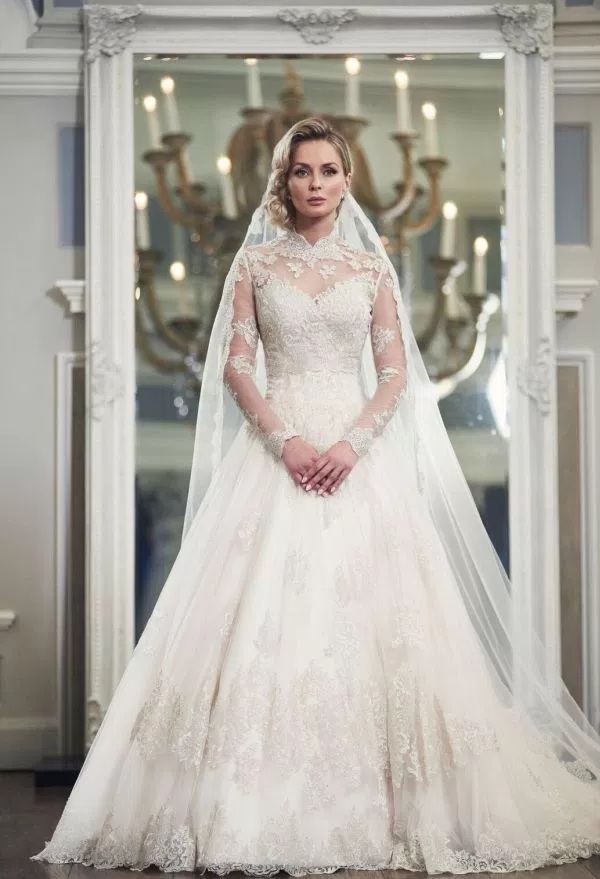
Whats in? Whats New? Wedding Dress Trend? What fits on me? So many question you ask your self and search on internet and on boutiques. All these are important but to me most important is what suits your body. Wedding Dresses trend is almost same for last few years, still some modifications by top designers to give bridal dress new look here some new dresses are.
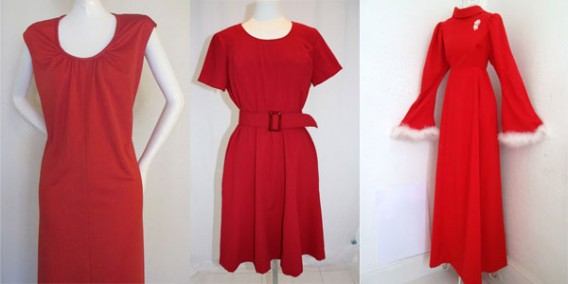
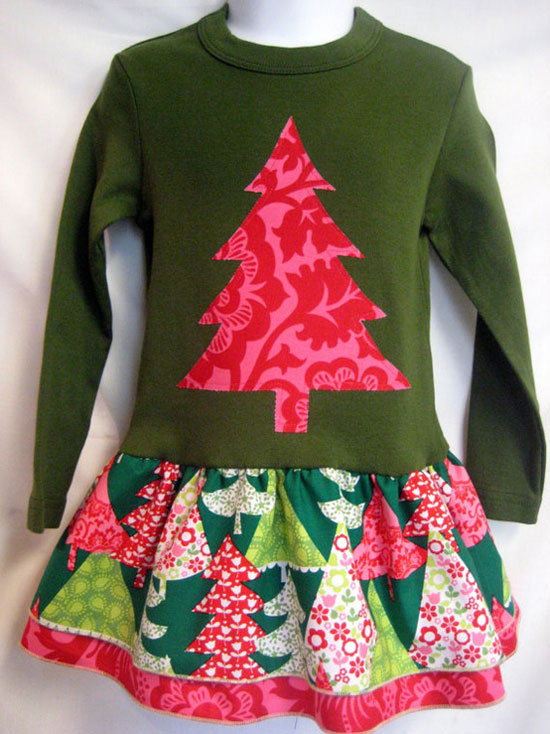
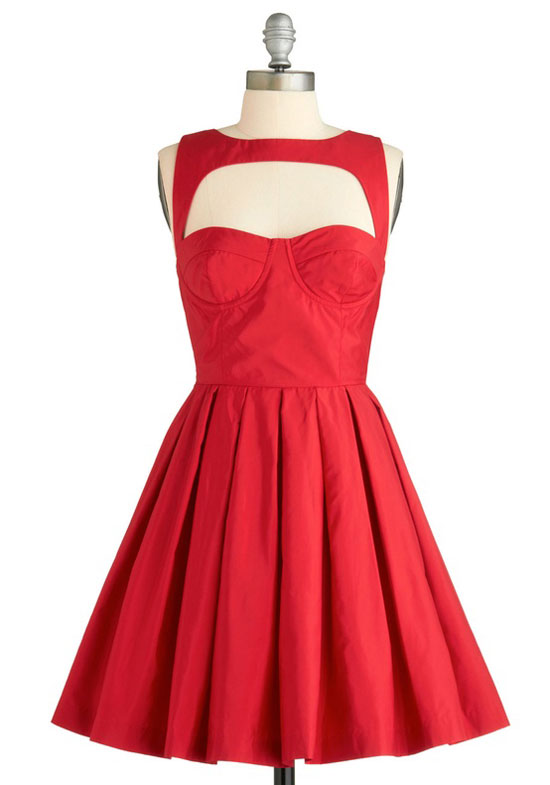
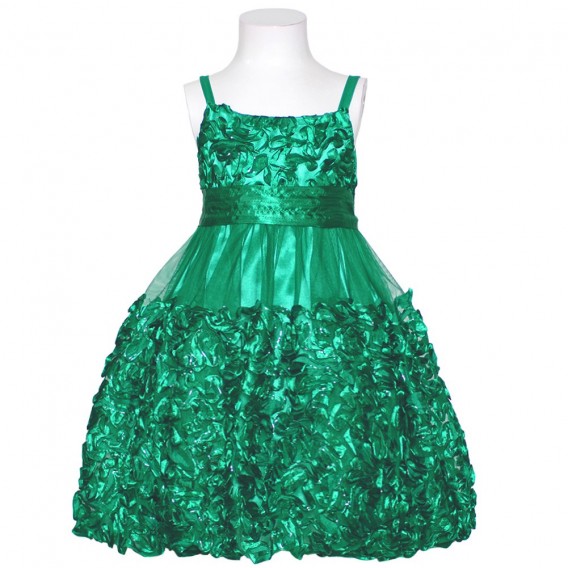
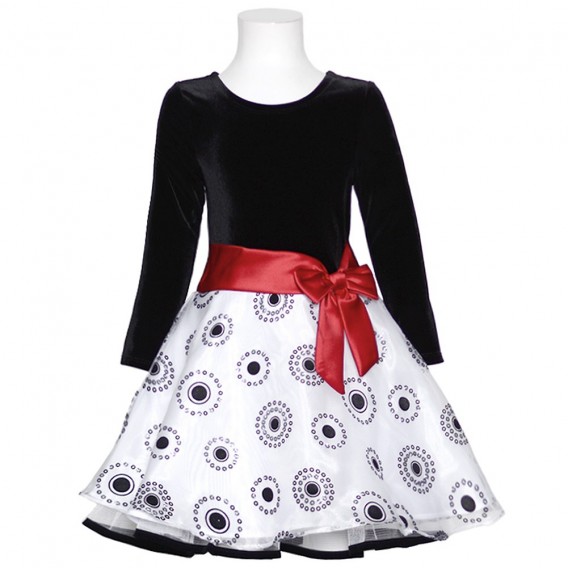
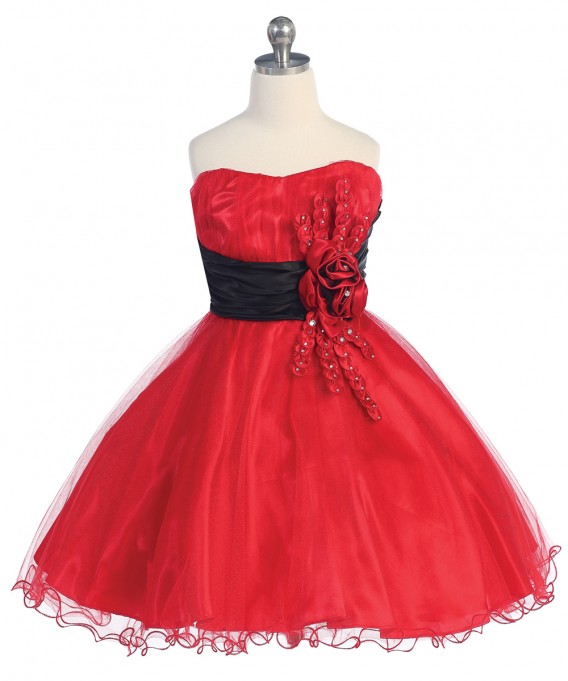
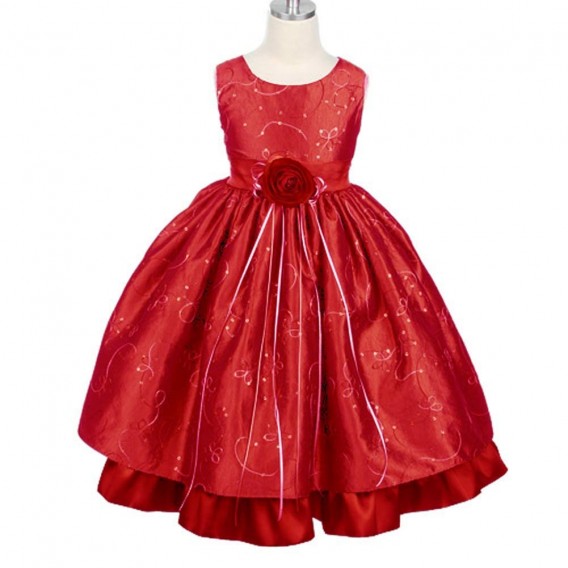
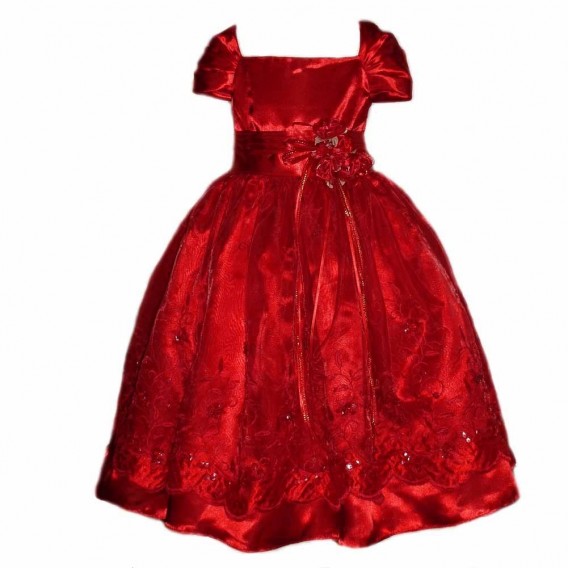
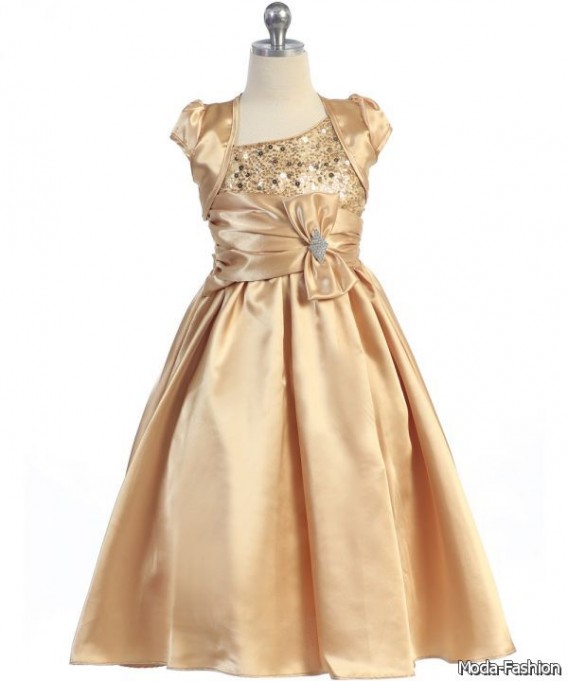
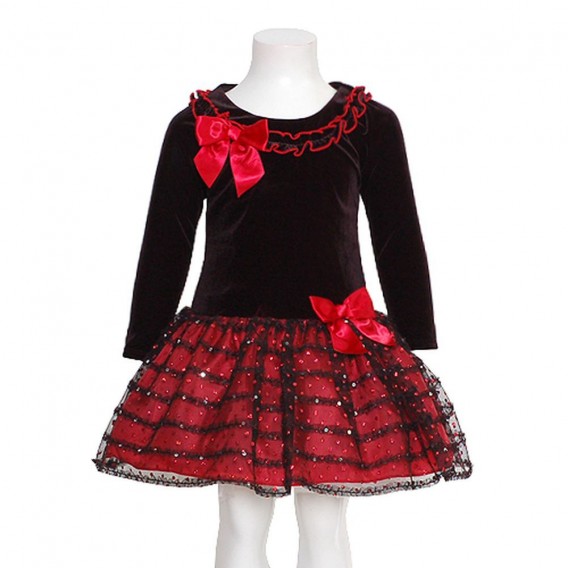
Whether girl want an eye-catching outfit for a birthday party or elegant evening wear for a special occasion or Christmas celebrations, you all love the fabulous Christmas dresses for this season.
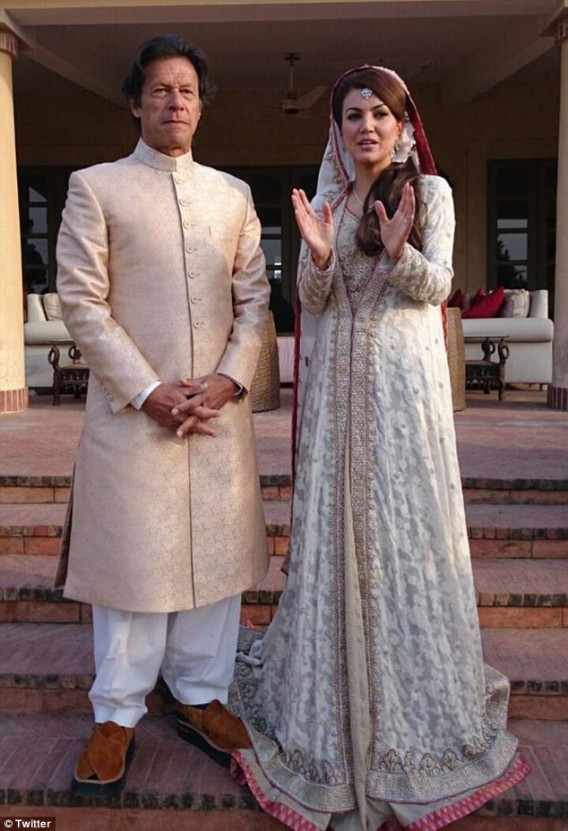
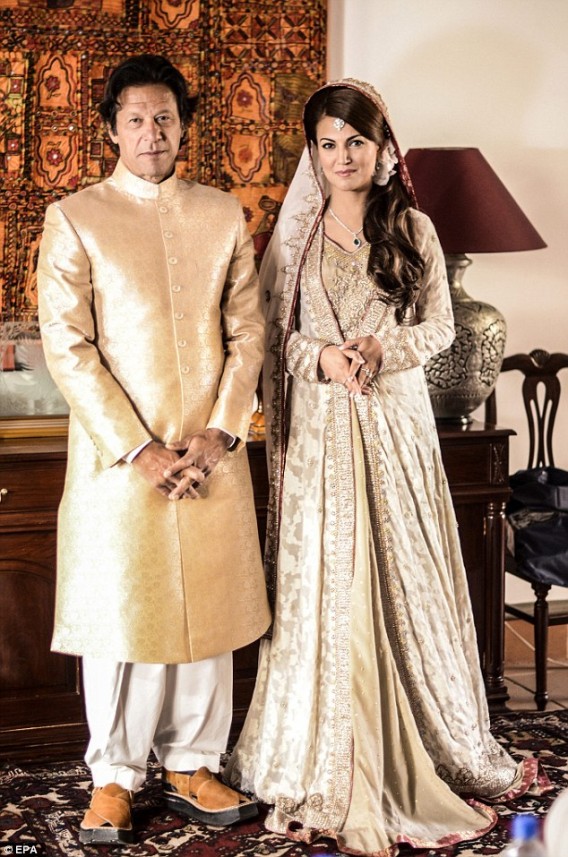
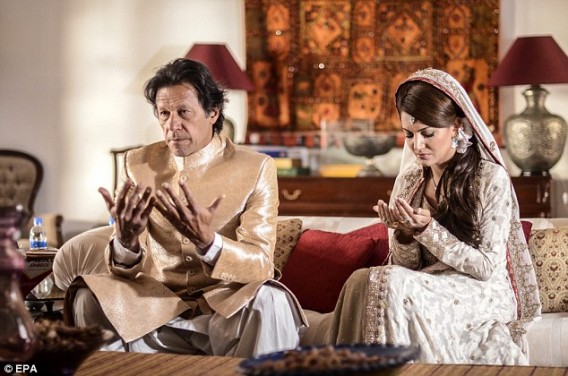
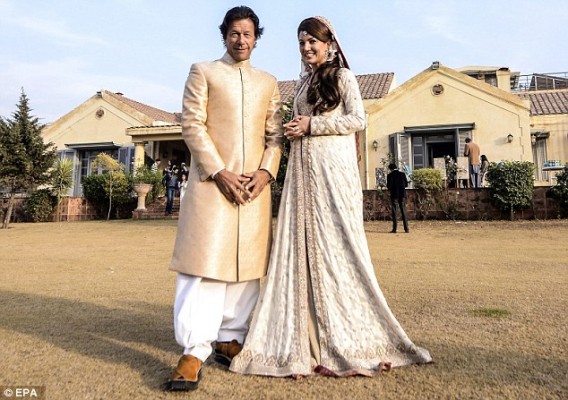
Pakistan’s cricketer turned politician Imran Khan got married to former BBC weather girl and anchor person Reham Khan in Bani Gala in Pakistan on Thursday. Their marriage was a low-key affair.
IK said: ‘I am very close to her, she is like my mother. We have decided to hold a small reception tomorrow. There were only a few close friends of Imran Khan present at the occasion