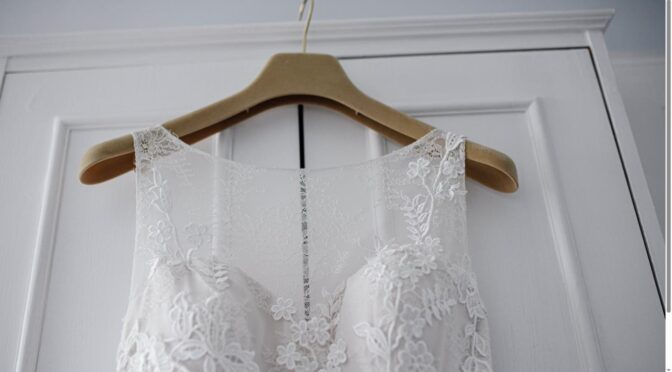
The wedding is over, the dress has been worn, photographed, and danced in, and now it’s hanging quietly in a garment bag while you figure out what to do with it. What you do in the next few weeks matters more than most brides realize. Stains that are invisible on the wedding day can oxidize and turn yellow-brown over months if left untreated, and the fabric itself is far more fragile in storage than it ever was on the big day.
Here’s how to preserve your gown properly, whether you’re planning to pass it down, sell it, or simply keep it as a keepsake for decades to come.
Why Timing Matters More Than People Think
Champagne, sugar, and perspiration are invisible when they land on white fabric, but they oxidize over time and turn a pale yellow-brown that becomes far harder to remove the longer it sits. Bridal preservation specialists generally recommend having a gown cleaned within a few months of the wedding, well before any invisible staining has a chance to set permanently into the fibers.
Step 1: Find a Cleaner Who Specializes in Wedding Gowns
Not every dry cleaner is equipped to handle delicate wedding dress fabrics like silk, tulle, and hand-sewn beading. Look specifically for a cleaner who advertises bridal gown preservation, and ask how they treat different fabric types before handing over your dress. A specialist will typically inspect the gown under UV light first, since many stains are invisible under normal lighting.
Step 2: Choose Between Boxing and Hanging
Preservation Boxes
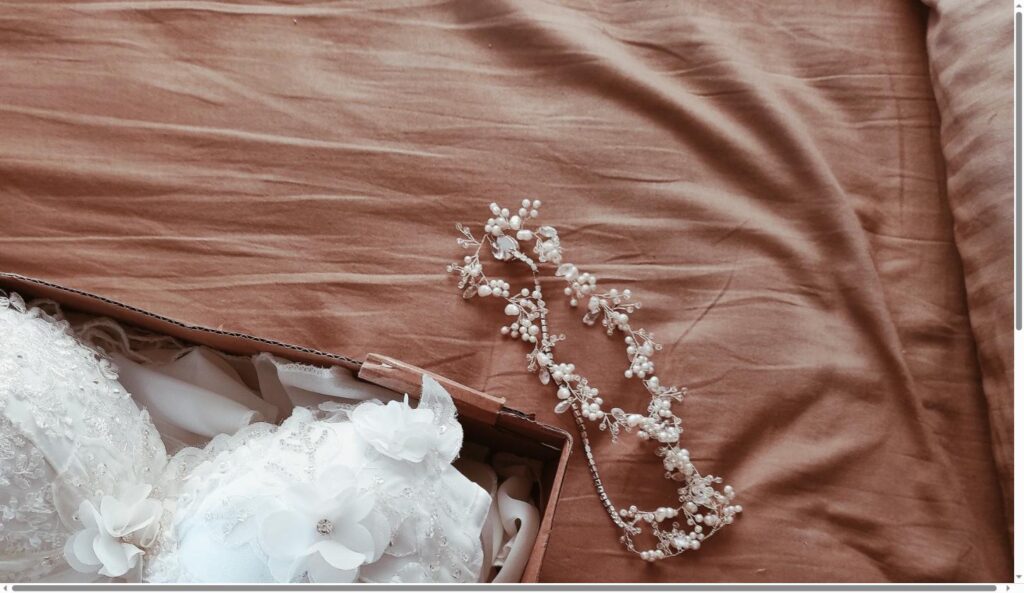
Acid-free boxes are the traditional choice, and for good reason. The dress is folded with acid-free tissue paper between the layers to prevent creasing and fabric-on-fabric contact, then sealed to keep out light, dust, and pests. Most preservation companies fold the gown so the most visible parts, like the bodice, face upward and can be checked periodically without unsealing the whole box.
Hanging Storage
Hanging keeps a gown wrinkle-free and is often preferred for dresses with heavy beading or structured bodices that could crease under folding. If you choose to hang your dress, use a padded hanger to support the shoulders, a breathable cotton garment bag rather than plastic, and store it somewhere with stable temperature and humidity, never in an attic, basement, or garage.
What to Avoid
- Plastic garment bags: They trap moisture and can trigger yellowing over time.
- Direct sunlight: UV exposure fades and weakens fabric fibers surprisingly quickly.
- Attics and basements: Temperature swings and humidity accelerate fabric degradation.
- Regular tissue paper: Only acid-free tissue is safe for long-term contact with fabric.
- Ironing at home: Heat can set stains permanently and damage delicate trims; leave pressing to a specialist.
Preservation Method Comparison
| Method | Best For | Maintenance |
|---|---|---|
| Acid-free preservation box | Long-term storage, heirloom keeping | Low; check every few years |
| Padded hanger + breathable bag | Heavily beaded or structured gowns | Moderate; needs stable closet space |
| Vacuum-sealed bag | Short-term storage only | Not recommended long-term; traps moisture |
Caring for Heirloom or Vintage Gowns
If you’ve inherited a gown, or are preserving yours with the hope a future family member might wear it, extra care matters even more. Vintage fabrics are typically more delicate, and old stains are often already partially set, which is why specialist cleaning is even more important than for a newly worn dress. If your gown falls into this more classic, elegant style, it’s worth looking at how similarly styled white elegant wedding dresses are typically cared for, since traditional silhouettes often use fabrics that need particularly gentle handling.
Frequently Asked Questions
How soon after the wedding should I get my dress cleaned?
Ideally within a few weeks, and no longer than a few months. The sooner invisible stains are treated, the more successfully they can be removed.
Can I preserve my dress myself without professional help?
You can handle storage yourself using acid-free materials, but professional cleaning beforehand is strongly recommended, since home cleaning methods can set stains permanently.
Does preservation actually stop yellowing completely?
It significantly slows it, but no method stops aging entirely. Proper preservation can keep a gown looking beautiful for decades rather than years.
Should I remove the boning or structure before storing?
No. Boning and structural elements should stay in place; removing them can distort the shape of the gown permanently.
Summary
Preserving a wedding dress comes down to acting quickly, choosing a cleaner who understands bridal fabrics, and storing the gown properly afterward using acid-free materials away from light, heat, and humidity. The habits that ruin a dress, plastic bags, sunlight, and delayed cleaning, are also the easiest to avoid once you know what to look for.
Conclusion
Your wedding dress carries more sentimental weight than almost anything else you’ll own, and a small amount of effort in the weeks after the wedding can keep it looking beautiful for generations. Treat the preservation process with the same care you put into choosing the dress in the first place, and it will reward you for decades to come.