Choosing a wedding dress usually starts with silhouette, not fabric or lace pattern. The silhouette is the overall shape the dress creates, and it affects everything else: how the gown photographs, how it moves when you walk, and how comfortable you feel standing in it for an entire day. Once you know which shape flatters your figure and suits your venue, the rest of the search narrows dramatically.
This guide walks through the major wedding dress silhouettes, explains which body types and venues each one suits best, and gives you a practical way to shortlist styles before you ever set foot in a bridal boutique.
Why Silhouette Is the First Decision to Make
Bridal boutiques often ask brides to describe fabric preferences or neckline style first, but stylists generally agree silhouette should come first. It is the foundation everything else is built on, and changing it later usually means starting the search over. Brides who already know their preferred silhouette from browsing current wedding dress trends tend to have a much shorter and less overwhelming shopping experience.
The Main Wedding Dress Silhouettes
Ball Gown
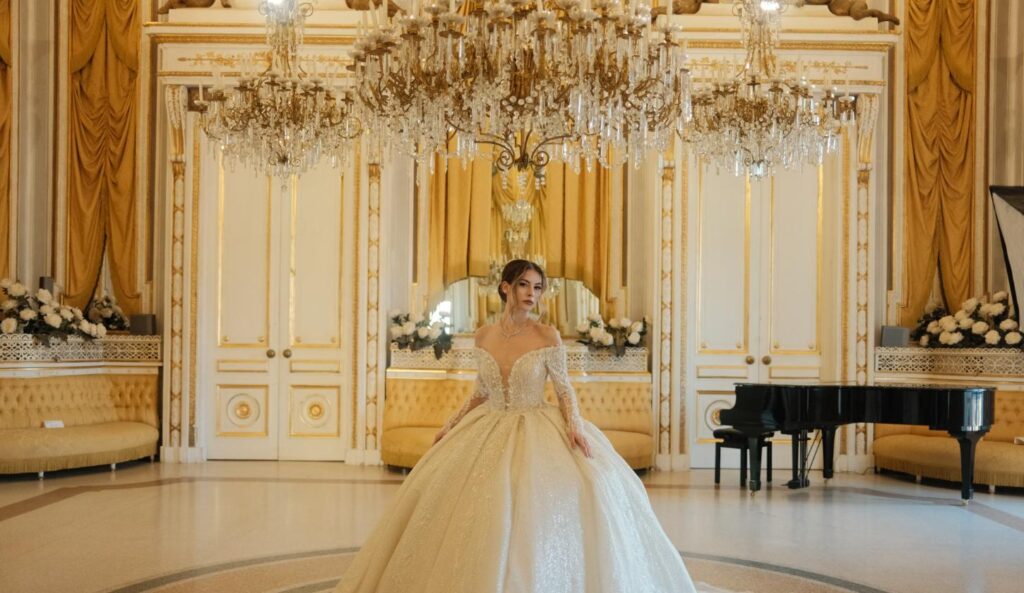
The ball gown is the classic fairy-tale shape: a fitted bodice paired with a dramatically full skirt that starts at the natural waist. It creates the most defined waistline of any silhouette and works well for formal, black-tie weddings. The tradeoff is practicality: the volume can be heavy, makes sitting down and dancing more difficult, and generally requires a large venue to avoid feeling cramped.
A-Line
A-line dresses are fitted through the bodice and gradually flare out from the waist or just below it, forming a shape similar to the letter A. This is consistently the most popular silhouette because it flatters nearly every body type, moves comfortably, and works for both formal and casual venues.
Mermaid and Trumpet
Mermaid gowns hug the body closely from the bust to the knee or mid-thigh before flaring out dramatically, while trumpet gowns have a gentler, more gradual flare starting lower on the leg. Both silhouettes highlight curves and create a dramatic silhouette in photos, but they require confidence with a fitted fit and are less forgiving of alterations later in the planning process.
Sheath (or Column)
A sheath dress follows the body’s natural line from top to bottom without flaring at all. It is lightweight, minimalist, and especially popular for destination weddings, beach ceremonies, and brides who prefer a modern, understated look over a traditional one.
Empire Waist
The empire waist sits just below the bust rather than at the natural waistline, with fabric flowing loosely from there to the hem. This silhouette is soft, romantic, and notably comfortable, making it a common choice for brides who are pregnant or who simply prefer a relaxed fit without sacrificing an elegant line.
Matching a Silhouette to Your Body Type
There are no strict rules in bridal fashion, and confidence in a dress matters more than any guideline. That said, these general pairings are a useful starting point when narrowing down options.
| Body Type | Silhouettes Worth Trying First |
|---|---|
| Pear (fuller hips) | A-line, Ball Gown |
| Hourglass | Mermaid, Trumpet, Sheath |
| Apple (fuller midsection) | Empire Waist, A-line |
| Petite frame | Sheath, Slim A-line |
| Tall or long torso | Ball Gown, Mermaid |
Silhouette and Venue: What Works Where
- Beach or destination wedding: Sheath and A-line silhouettes in lightweight fabrics handle heat, sand, and wind far better than heavily structured gowns.
- Ballroom or formal hotel venue: Ball gowns and structured mermaid styles suit the scale of a large, formal room.
- Garden or outdoor ceremony: A-line and empire waist dresses move naturally over grass and uneven ground.
- Courthouse or intimate elopement: Sheath dresses feel appropriately understated without looking underdressed.
Fabric and Silhouette: Why They’re Connected
Silhouette and fabric work together, not separately. A ball gown built from tulle behaves very differently from one built from heavier satin, and a sheath cut in a stretch crepe will move and photograph differently than the same cut in a stiffer material. When you find a silhouette you like, ask to see it in two or three different fabrics before deciding, since the fabric can noticeably change how formal or casual the same basic shape feels. Brides comparing structured versus flowing options often look at elegant wedding dress styles side by side to see this contrast in person.
Common Mistakes When Choosing a Silhouette
- Deciding on a silhouette from photos alone without trying it on, since fit changes everything about how a shape reads on an individual body.
- Choosing a dress that suits the venue on paper but ignoring how it will feel to wear for eight or more hours, including sitting, dancing, and walking.
- Not accounting for undergarments and shapewear during fittings, which can shift how a silhouette actually sits.
- Overlooking the ceremony-to-reception transition; some brides choose a convertible gown that removes an overskirt to switch from ball gown to sheath partway through the day.
Frequently Asked Questions
What is the most popular wedding dress silhouette?
A-line remains the most consistently popular choice because it flatters a wide range of body types, is comfortable to wear all day, and photographs well in almost any venue.
Can I change the silhouette of a dress I already bought?
To a limited degree. A tailor can sometimes take in a fuller skirt or adjust a waistline, but dramatically changing one silhouette into another, such as a ball gown into a sheath, is usually not realistic without rebuilding the dress.
Do plus-size brides need a different silhouette approach?
Not fundamentally. The same general pairings apply, though structured silhouettes with built-in support, like A-line and ball gown styles, often provide the most comfortable fit throughout a long day.
Is it better to try on many silhouettes or narrow down first?
Most stylists recommend trying at least one dress from three or four different silhouettes early on, even ones you doubt will suit you, since fit in person is often surprising compared to how a shape looks on a hanger or in photos.
Does silhouette affect the cost of a wedding dress?
Yes, generally. Ball gowns and heavily structured mermaid styles tend to require more fabric, boning, and construction time, which can push the price higher than a simpler sheath or slim A-line design.
Summary
Silhouette is the single biggest factor in how a wedding dress looks, feels, and photographs, which is why it makes sense to decide on this before fabric, lace, or neckline details. A-line remains the safest and most flattering all-around choice, while ball gowns, mermaid and trumpet styles, sheath dresses, and empire waists each suit specific body types, venues, and comfort preferences. Trying on a range of silhouettes early, rather than committing to one from photos alone, is the most reliable way to find the shape that actually works for you on the day itself.