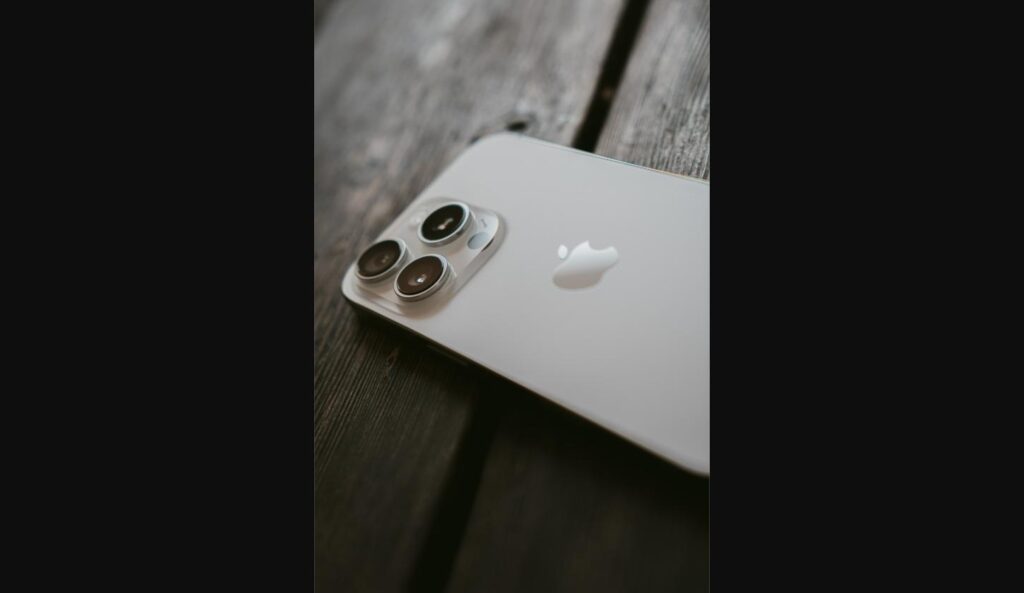
Note: Apple has not announced the iPhone 18. This article rounds up rumors, leaks, and educated guesses from around the web, and none of it should be treated as confirmed information.
With the current iPhone generation still fresh, attention has already started shifting toward what comes next. Between supply-chain reports, patent filings, and the usual wave of speculation, a rough picture of the iPhone 18 is starting to form. Here is what is being said about the release date, pricing, and design, along with how much weight to give each claim.
Note: Apple has not confirmed any iPhone 18 details. Everything below is based on leaks, supply-chain chatter, and rumors circulating online, and should be treated as speculation rather than fact.
Every summer, long before Apple says a word, the rumor mill starts churning out claims about what the next iPhone will look like. This year, most of the chatter is focused on the camera system, with leakers suggesting some of the biggest changes in several generations could be heading to the iPhone 18 Pro lineup. Here is a roundup of what is being claimed so far, and how much of it is worth taking seriously.
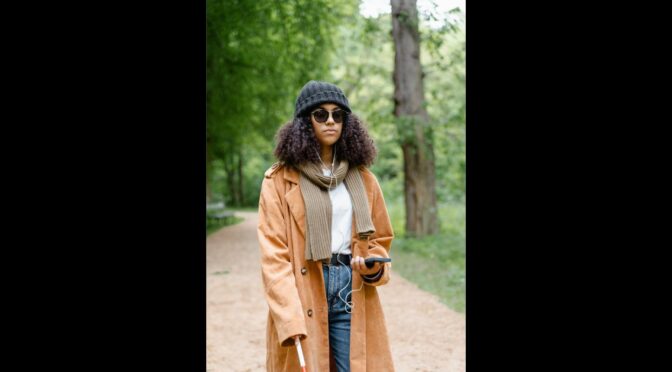
Most iPhone owners have never opened the Accessibility menu, yet it quietly holds some of the most useful features Apple has ever built. These tools were originally designed for people with visual, hearing, or motor impairments, but many of them have quietly become favorites among everyday users who simply want more control over how their phone behaves.
Whether you want to tap the back of your phone to launch an app, get a flashing light instead of a ringtone, or have your iPhone read a webpage aloud while you cook dinner, there is likely a built-in feature that already does it. This guide walks through the accessibility tools worth turning on, even if you do not consider yourself to have any specific accessibility need.
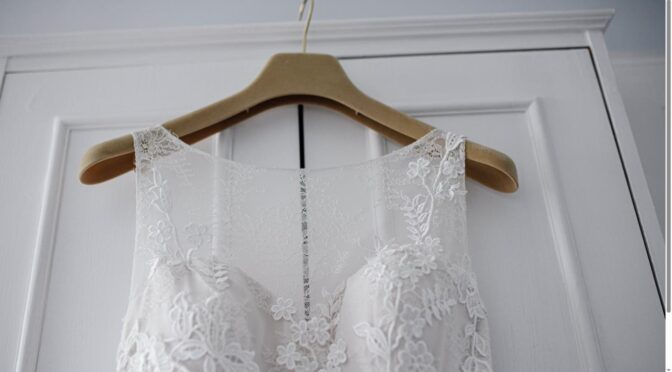
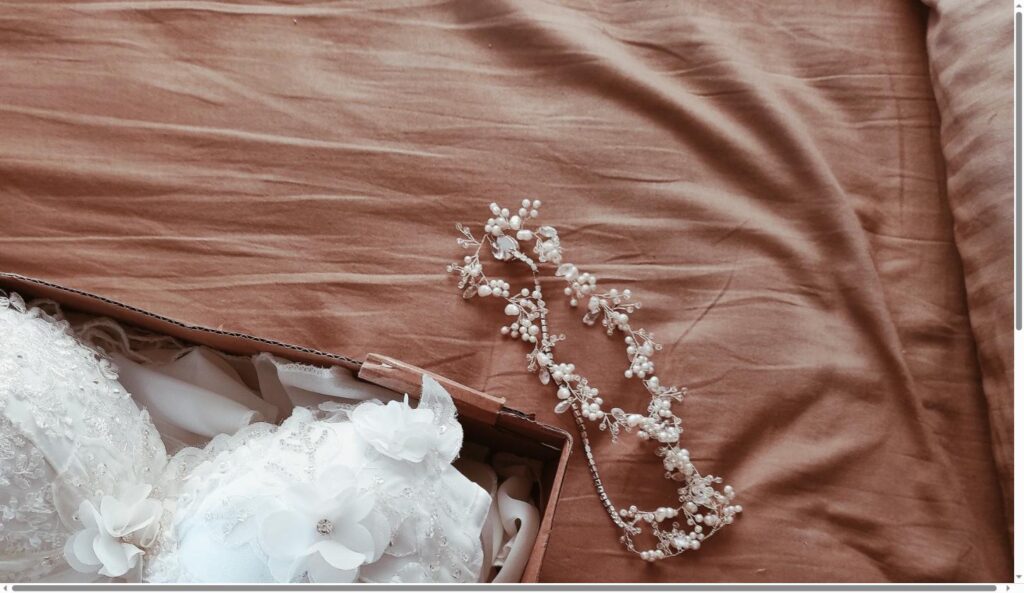
The wedding is over, the dress has been worn, photographed, and danced in, and now it’s hanging quietly in a garment bag while you figure out what to do with it. What you do in the next few weeks matters more than most brides realize. Stains that are invisible on the wedding day can oxidize and turn yellow-brown over months if left untreated, and the fabric itself is far more fragile in storage than it ever was on the big day.
Here’s how to preserve your gown properly, whether you’re planning to pass it down, sell it, or simply keep it as a keepsake for decades to come.
The “Storage Almost Full” warning has a way of appearing at the worst possible moment, usually right as you’re trying to capture a photo you’ll actually want to keep. The good news is that clearing meaningful space on an iPhone rarely means deleting anything you care about. It usually just means finding the handful of things quietly eating up gigabytes in the background.
Here’s a practical, step-by-step way to see exactly what’s taking up room and clear it out fast, without losing photos, messages, or apps you actually use.
Walk into any bridal boutique and you’ll hear the same handful of fabric names again and again: satin, lace, tulle, chiffon, organza. They’re often used almost interchangeably in casual conversation, yet each one behaves completely differently on the body, photographs differently, and suits a different kind of wedding. Knowing the difference before your first fitting can save hours of trying on dresses that were never going to work for your venue or your figure.
This guide breaks down the fabrics you’re most likely to encounter while dress shopping, what makes each one distinct, and how to match fabric choice to season, silhouette, and budget.
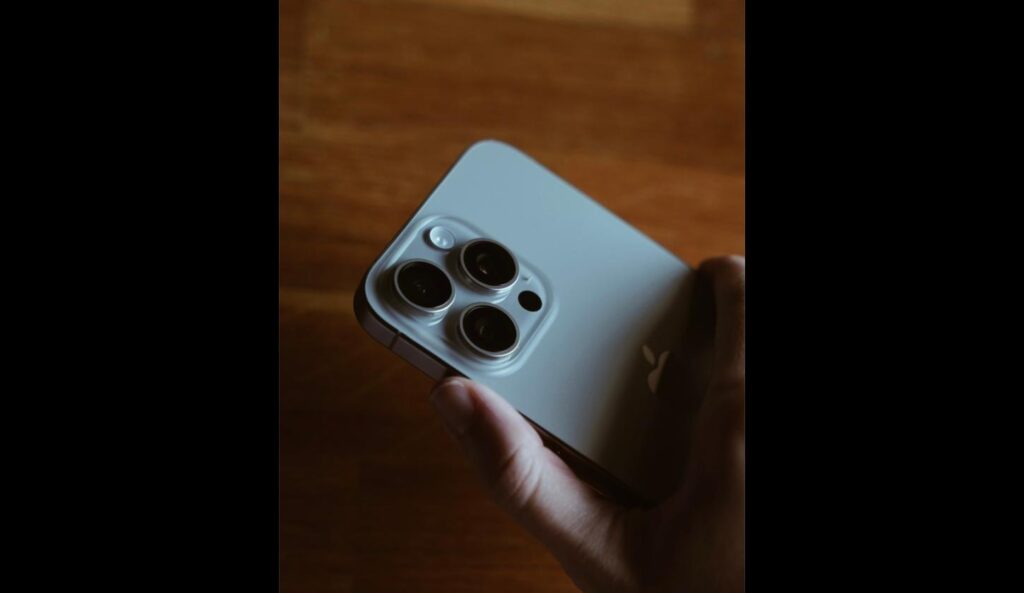
Every iPhone in your pocket is capable of photos that rival a dedicated camera, yet most people only ever tap the shutter and hope for the best. The truth is that the hardware has been ready for years — what usually holds a photo back is a handful of small habits around composition, light, and settings. Learn those habits and the same iPhone that takes a flat, forgettable snapshot can just as easily produce a photo you would be proud to print.
This guide walks through the practical, no-nonsense techniques that make the biggest visible difference, from framing a shot before you tap the shutter to knowing when Portrait mode helps and when it gets in the way.
A wedding dress is traditionally worn once, yet it often takes significant fabric, labor, and shipping to produce. That mismatch has pushed a growing number of brides to look for sustainable options that still feel special, without the environmental cost of a garment built for a single day.
This guide covers what actually makes a wedding dress sustainable, which fabrics and sourcing methods to look for, and how renting, vintage, and secondhand options fit into the picture.
Why Sustainability Is Becoming Part of Wedding Dress Shopping
Wedding dresses sit at an unusual intersection: they are typically worn for a matter of hours, yet built to a standard meant to last generations. As awareness of textile waste and fast fashion has grown, more brides are asking bridal boutiques and designers about where fabric comes from and what happens to unsold sample gowns, not just how a dress looks in photos.
What Makes a Wedding Dress Sustainable
Fabric sourcing: Organic, recycled, or responsibly harvested materials rather than conventional synthetic fabrics produced with heavy water and chemical use.
Production process: Smaller-batch or made-to-order manufacturing that reduces overproduction and unsold inventory.
Longevity: Construction quality that allows the dress to be altered, preserved, resold, or repurposed rather than discarded.
End-of-life plan: A realistic path for the dress after the wedding, whether that is resale, rental return, or repurposing into another garment.
Eco-Friendly Fabrics to Look For
Organic and Peace Silk
Organic silk is produced without synthetic pesticides on the mulberry trees silkworms feed on, while peace silk (also called ahimsa silk) allows the moth to emerge from its cocoon before the fiber is harvested, avoiding the conventional method of boiling cocoons with the silkworm inside.
Recycled Lace and Deadstock Fabric
Deadstock fabric refers to leftover material from other fashion production runs that would otherwise go unused. Many small bridal designers now build gowns partly or entirely from deadstock lace and silk, which reduces demand for newly manufactured fabric.
Tencel and Lyocell
These fibers are made from sustainably harvested wood pulp using a closed-loop process that recycles most of the water and solvents involved. The resulting fabric drapes similarly to silk, making it a popular option for sheath and slip-style sustainable gowns.
Organic Cotton
Grown without synthetic pesticides or fertilizers, organic cotton is increasingly used for lace overlays, linings, and simpler cotton-based wedding dresses, particularly for casual or destination weddings.
Renting, Vintage, and Secondhand Options
Option
Environmental Impact
Best For
New Sustainable Gown
Lower impact than conventional new, but still uses new resources
Brides wanting a custom, made-to-fit dress
Rental
Very low, since one dress serves many brides
Brides comfortable not keeping the dress long-term
Vintage or Secondhand
Lowest impact, since no new production is involved
Brides open to alterations and unique, one-of-a-kind pieces
Vintage and secondhand shopping pairs particularly well with an interest in wedding dress silhouettes from earlier decades, since many vintage gowns feature construction techniques that are harder to find in current mass-market designs.
Questions to Ask a Sustainable Bridal Designer or Boutique
Where is the fabric sourced from, and is it certified organic, recycled, or deadstock?
Is the dress made to order, or produced in advance in standard sizes?
What alteration and preservation services are offered after the wedding?
Does the boutique offer a buy-back, resale, or rental program?
Caring for and Repurposing Your Dress After the Wedding
Proper cleaning and storage in a breathable garment bag, away from direct sunlight and humidity, meaningfully extends how long a dress can be preserved, resold, or handed down. Many brides also choose to have a portion of the fabric repurposed into a christening gown, a keepsake pillow, or a framed textile piece, which keeps the material in use well beyond the wedding day itself. Brides who are also thinking carefully about choosing the right fit for their body type often find that a well-constructed sustainable gown holds its shape better through alterations than lower-quality fast-fashion alternatives.
Common Misconceptions About Eco-Friendly Bridal Fashion
“Sustainable means plain or unflattering.” Sustainable gowns now span the same range of silhouettes and styles as conventional bridal fashion, from minimalist slip dresses to fully beaded ball gowns.
“It’s always significantly more expensive.” Cost varies widely; rental and secondhand options are often less expensive than new conventional gowns, while made-to-order sustainable pieces can be comparable to standard designer pricing.
“Secondhand means outdated.” Many recently sold gowns entering the resale market are only a year or two old and reflect current silhouettes and trends.
Frequently Asked Questions
Is renting a wedding dress considered sustainable?
Yes, generally. Rental spreads the environmental cost of a single dress across many wearers, which significantly reduces the per-wear impact compared to a dress worn once and stored indefinitely.
Are sustainable wedding dresses more expensive than conventional ones?
Not necessarily. Pricing depends heavily on the designer, fabric, and construction method rather than sustainability alone, and secondhand or rental options are often less expensive than buying new.
Can a vintage wedding dress be altered to fit modern tastes?
Yes. A skilled tailor can often update necklines, add modern linings, or adjust silhouettes on a vintage gown while preserving the original lace or embroidery details.
What should I do with my dress if I don’t plan to keep it?
Reputable resale platforms, bridal consignment shops, and rental services all offer ways to pass a dress on to another bride rather than letting it sit unused in storage.
Do sustainable fabrics affect how a dress feels to wear?
Not negatively. Fabrics like Tencel and organic silk are generally praised for being breathable and comfortable, and in some cases feel better against the skin than synthetic alternatives.
Summary
Sustainable wedding dresses are no longer a small niche: eco-friendly fabrics, made-to-order production, rental services, and a growing secondhand market all make it possible to find a beautiful gown without the waste traditionally associated with a one-day garment. Whether that means choosing organic silk, renting for the day, or restyling a vintage find, sustainability and style are no longer competing priorities in bridal fashion.